What Are Winter Related Infections?
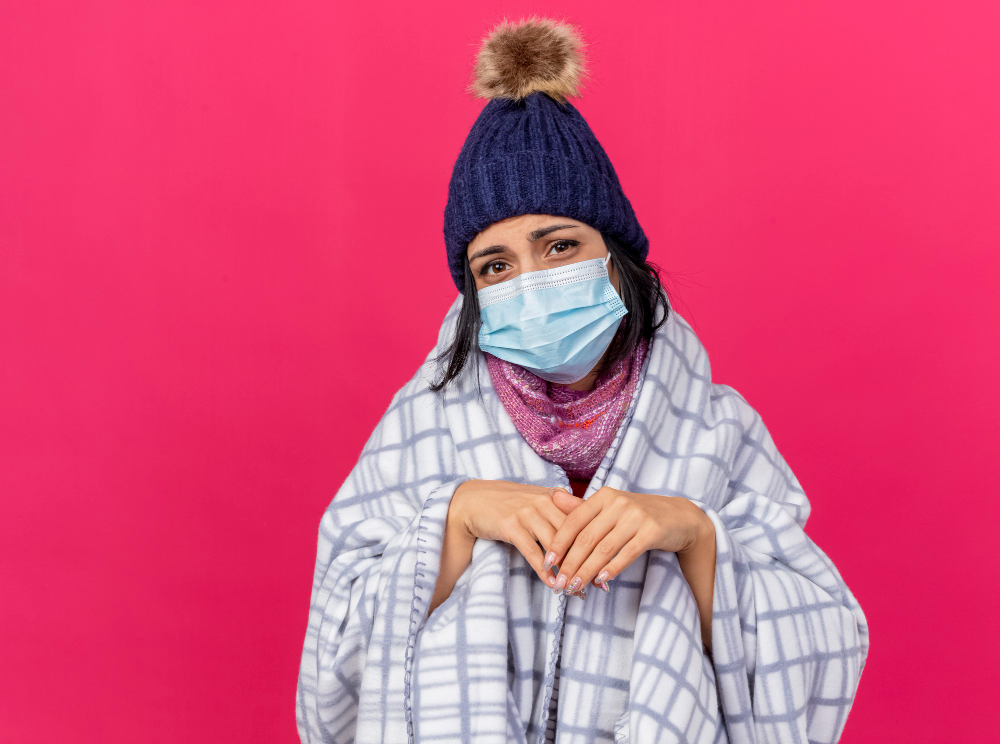
Winter related infections are illnesses that become more common during the colder months. These include colds, flu, sore throat, and chest infections. Because people spend more time indoors, germs spread more easily. As a result, cold weather infections can affect people of all ages. Winter illness prevention is important to stay healthy. You may wonder how to avoid winter infections. Simple steps can help protect you and your family.
Common Symptoms of Winter Related Infections
Winter infections often share similar signs. However, symptoms can vary depending on the illness. For example, a cold may feel mild, while the flu can be more severe. Watch for these common symptoms:
Sometimes, stomach upset or diarrhea can also occur, especially in children. But most winter infections start with mild symptoms. If symptoms get worse, seek medical help.
Causes and Risk Factors
Many winter infections are caused by viruses, such as the flu virus or common cold virus. Bacteria can also cause some illnesses, like strep throat or pneumonia. Because cold air dries out the nose and throat, germs can enter the body more easily. In addition, crowded indoor spaces help germs spread faster.
Some people are at higher risk, including:
For these groups, winter illness prevention is even more important.
How Winter Related Infections Are Diagnosed
Doctors usually start with a physical exam and questions about your symptoms. Sometimes, they may check your temperature or listen to your chest. If needed, they may order tests, such as:
Most winter infections are diagnosed based on symptoms alone. However, tests help rule out serious problems.
Treatment Options
Most winter related infections get better on their own. Rest and fluids are key. However, some cases need medicine. For example, doctors may give antiviral drugs for the flu or antibiotics for bacterial infections. Over-the-counter medicines can help ease symptoms, such as:
Always follow your doctor’s advice. Do not use antibiotics for viral infections, as they will not help.
Prevention Tips and Lifestyle Guidance
Staying healthy in winter is possible. Here are some simple winter illness prevention tips:
In addition, regular exercise and enough sleep help your body fight off infections. If you live in a city with high pollution, try to stay indoors on bad air days.
When to See a Doctor
Most winter infections are mild. However, you should see a doctor if you have:
For young children, older adults, or people with health problems, it is best to get medical advice early.
Conclusion
Winter-related infections are common but often mild. However, knowing the symptoms and causes can help you stay safe. With good prevention habits, you can lower your risk. If you feel unwell or have severe symptoms, consult a general physician at NRR Hospital for personalized advice on winter-related infections.