
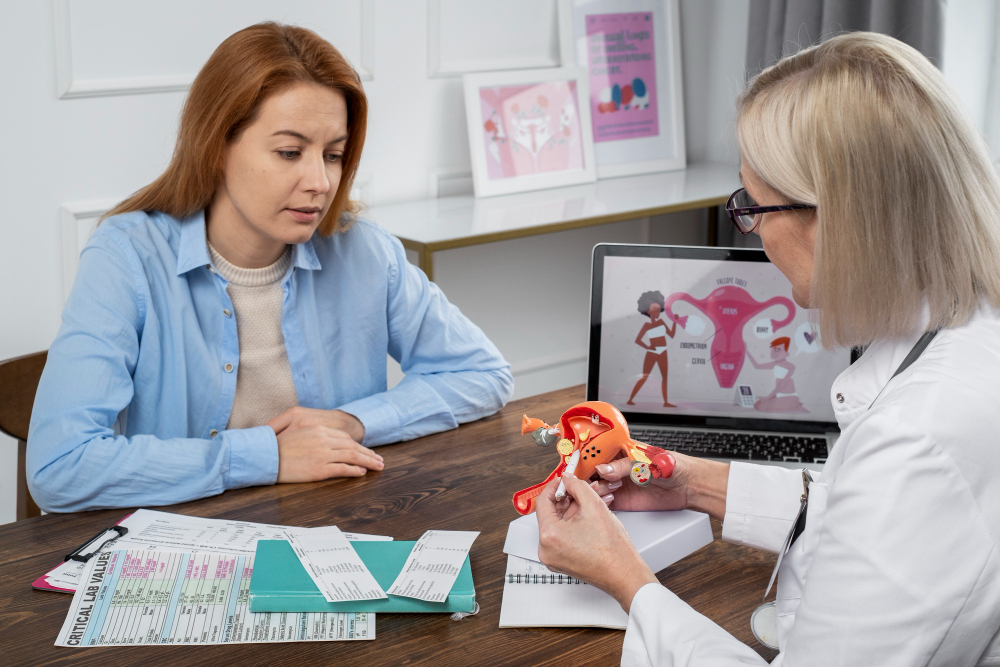
Ovarian reserve testing is a way to check a woman’s egg supply. Doctors use this test as part of a fertility assessment. It helps measure how many eggs are left in the ovaries. This is also called an egg count test. Many women want to know about their female reproductive health, especially if they are planning to have children. Ovarian reserve testing can give helpful information about female fertility and future family planning.
What is Ovarian Reserve Testing?
Ovarian reserve testing looks at the number and quality of eggs in a woman’s ovaries. While women are born with all their eggs, the number goes down with age. This test helps doctors understand a woman’s fertility potential. For example, it can show if a woman may have trouble getting pregnant. Doctors often use ovarian reserve testing during a fertility evaluation or before certain treatments.
Why is Ovarian Reserve Testing Important?
Ovarian reserve testing is important for several reasons. First, it helps women learn about their fertility health. Second, it can guide decisions about when to try for a baby. Also, it is useful before starting treatments like in vitro fertilization (IVF). If a woman has a low egg count, doctors may suggest acting sooner. In addition, the test can help find problems early, so women have more options.
How is Ovarian Reserve Testing Performed?
Doctors use a few simple tests to check ovarian reserve. Most tests are done with blood samples or an ultrasound. Here are the most common methods:
Sometimes, doctors may use other hormone tests or repeat tests over time. Each test gives a piece of the fertility puzzle.
What Do the Results Mean?
Ovarian reserve test results help show how many eggs are left. However, they do not tell the exact number. Here is what the results may mean:
Even with low ovarian reserve, some women can still get pregnant. But, it may take longer or need special help.
Who Should Consider Ovarian Reserve Testing?
Many women may benefit from ovarian reserve testing. For example, you might consider it if you:
In the United States, more women are choosing to check their fertility early. This helps them plan ahead.
Limitations and Considerations
Ovarian reserve testing is helpful, but it has limits. For instance, it cannot predict exactly when menopause will start. It also does not show if your eggs are healthy. Some women with low results still get pregnant naturally. Others with normal results may still face challenges. Therefore, always talk to a doctor about what your results mean for you. The World Health Organization and CDC suggest using these tests as part of a full fertility evaluation.
Frequently Asked Questions
If you have questions about your fertility, consult a fertility specialist at NRR Hospital for personalized guidance on ovarian reserve testing.