What is a Mastectomy?
Mastectomy is a surgery to remove one or both breasts. Doctors often suggest this procedure to treat or prevent breast cancer. For many, mastectomy can be a life-saving step. In fact, it is one of the most common treatments for breast cancer. The word “mastectomy” comes from the Greek words for breast and removal. Because of its importance, understanding mastectomy helps patients make informed choices.
Indications for Mastectomy
Doctors may recommend mastectomy for several reasons. Usually, it is suggested when:
Sometimes, people without cancer but with a strong family risk choose mastectomy to prevent future problems. This is called a preventive or prophylactic mastectomy.
Types of Mastectomy
There are different types of mastectomy. Each type depends on the patient’s needs and the doctor’s advice. The main types include:
Each type has its own benefits and risks. Therefore, it is important to discuss options with your doctor.
The Surgical Procedure
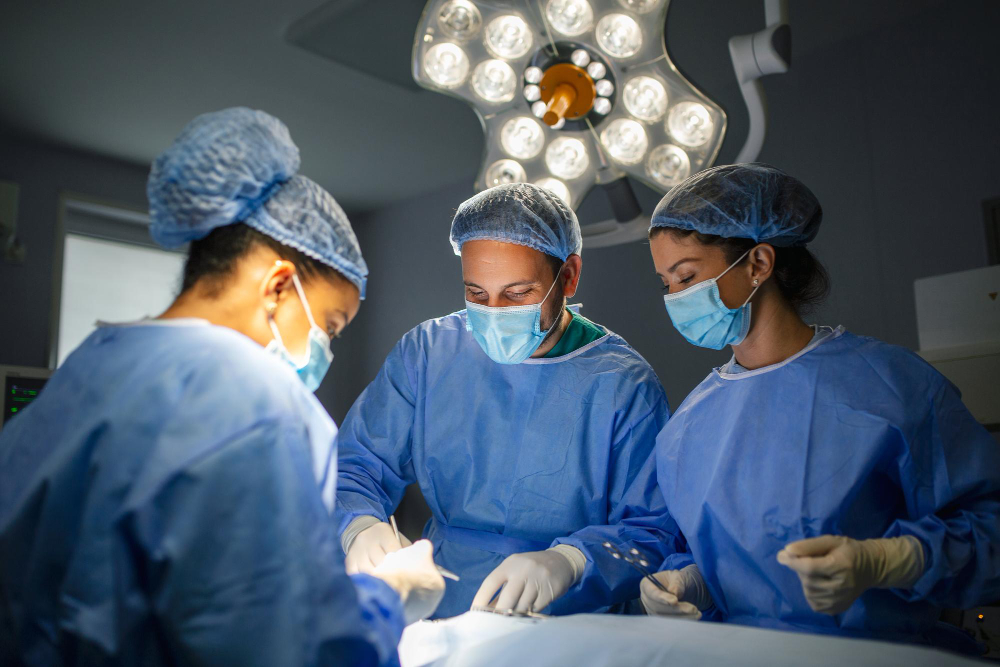
Before surgery, doctors will explain what to expect. Usually, the patient receives general anesthesia, so they sleep during the operation. The surgeon makes a cut in the breast area and removes the necessary tissue. Sometimes, lymph nodes are also removed to check for cancer spread. The surgery often takes two to three hours. Afterward, the patient moves to a recovery room. Because every case is unique, the exact steps may differ.
Recovery and Aftercare
Recovery after mastectomy varies for each person. However, most people stay in the hospital for one to two days. At home, patients should:
Some people may need physical therapy to regain arm movement. With time, most people return to normal activities. Still, everyone heals at their own pace.
Risks and Complications
Like any surgery, mastectomy has some risks. Common risks include:
Although serious problems are rare, it is important to report any unusual symptoms to your doctor right away. According to the CDC, most people recover well with proper care.
Emotional and Lifestyle Considerations
Undergoing mastectomy can affect emotions and self-image. Many people feel sad, anxious, or worried about their appearance. However, support from family, friends, or counselors can help. Some people choose breast reconstruction surgery to restore shape. Others use special bras or prostheses. Life after mastectomy may feel different, but many people adjust well over time. Remember, talking about feelings is an important part of healing.
Prevention and Early Detection
While not all breast cancers can be prevented, early detection saves lives. Therefore, experts recommend:
According to the World Health Organization, early treatment leads to better outcomes. If you notice any changes in your breasts, contact your healthcare provider right away.
Conclusion
Mastectomy is a major step in treating or preventing breast cancer. Understanding the procedure, recovery, and risks helps patients feel more prepared. If you have questions about mastectomy surgery or life after mastectomy, consult a qualified surgeon or healthcare provider at Suprith Diagnostic Centre, Yeshwantpur, Bangalore for personalized advice.