Introduction
H3N2 flu is a type of influenza virus that can cause illness in people. Every year, many people get sick from the flu, and H3N2 is one of the main types. Because it spreads easily, it is important to know about H3N2 flu symptoms, causes, diagnosis, treatment, and ways to prevent it. This blog will help you understand what you need to know about H3N2 flu.
What is H3N2 Flu?
H3N2 flu is a strain of the influenza A virus. It is one of the main types of flu viruses that infect humans. According to the Centers for Disease Control and Prevention (CDC), H3N2 can cause mild to severe illness. Sometimes, it can lead to serious problems, especially in young children, older adults, and people with weak immune systems. Because H3N2 flu changes over time, new outbreaks can happen each year.
Symptoms
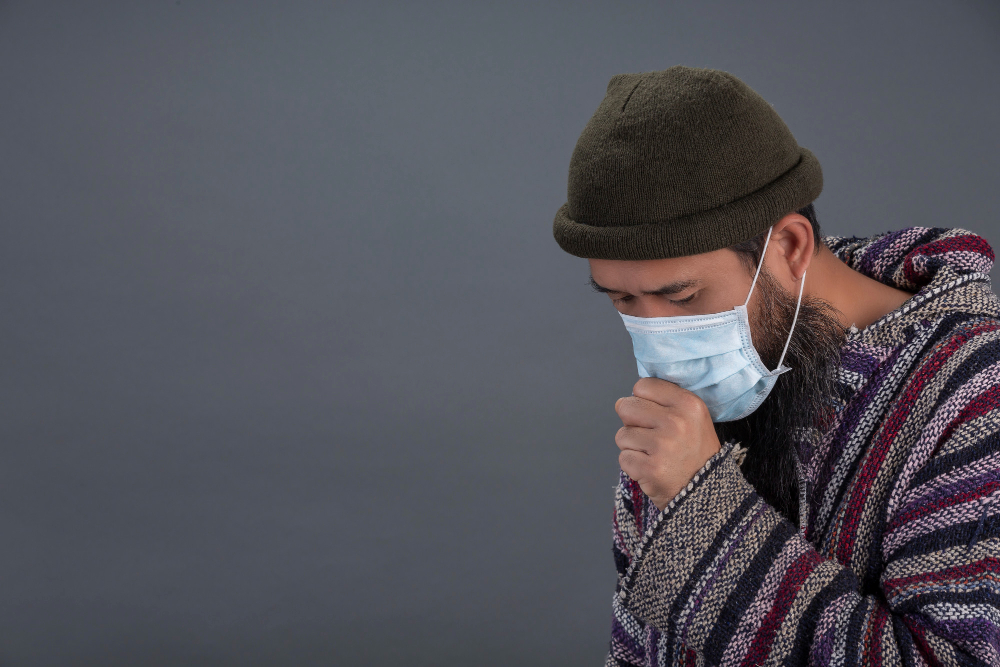
H3N2 flu symptoms are similar to other types of flu. However, some people may feel sicker with H3N2. Common symptoms include:
Usually, symptoms start suddenly. For most people, they last about a week. However, some may feel tired for longer.
Causes and Transmission
H3N2 flu is caused by the H3N2 strain of the influenza A virus. The virus spreads from person to person. Most often, it spreads through droplets when someone coughs, sneezes, or talks. You can also get the flu by touching a surface with the virus and then touching your mouth, nose, or eyes. Because the virus spreads easily, outbreaks can happen quickly, especially in crowded places.
Diagnosis
Doctors use several ways to diagnose H3N2 flu. First, they ask about your symptoms and recent contact with sick people. Then, they may do a physical exam. Sometimes, they use a swab from your nose or throat to test for the virus. This is called a rapid flu test. According to the CDC, these tests can help find out if you have H3N2 flu. However, sometimes more detailed lab tests are needed. If you want to know how is H3N2 flu diagnosed, talk to your doctor for the best advice.
Treatment Options
Most people with H3N2 flu get better with rest and care at home. However, some may need medicine. Doctors may give antiviral drugs if you are at high risk or very sick. These medicines work best if started early, within two days of symptoms. Common treatments include:
For most people, H3N2 flu treatment is simple. But, if you have trouble breathing or feel worse, see a doctor right away.
Prevention Tips
Preventing H3N2 flu is important for everyone. Here are some easy tips to help you stay safe:
Because the flu virus changes, getting the vaccine every year is the best way to protect yourself. These steps can help in preventing H3N2 flu for you and your family.
When to See a Doctor
Most people recover from H3N2 flu at home. However, you should see a doctor if you have:
Children, older adults, and individuals with underlying health conditions should be extra cautious when it comes to H3N2 flu. Early treatment can help prevent serious complications and ensure a quicker recovery.
In summary, H3N2 flu can cause mild to severe illness. Understanding the symptoms, causes, diagnosis, and treatment options is key to staying safe. Always follow prevention tips, like regular handwashing and getting your flu vaccine, to reduce your risk. For personalized advice and care regarding H3N2 flu, consult a healthcare professional at NRR Hospital.