
What is a Laparoscopic Hysterectomy?
Laparoscopic hysterectomy is a minimally invasive surgery to remove the uterus. Doctors use small cuts and a camera to perform this procedure. Because of this, it is often called a minimally invasive hysterectomy. Many women choose this option because it usually means less pain and a quicker recovery. According to the World Health Organization, this surgery is safe for most women. However, it is important to know what to expect before, during, and after the procedure.
Why is Laparoscopic Hysterectomy Performed?
Doctors may suggest a laparoscopic hysterectomy for several reasons. Often, it is done to treat health problems that affect the uterus. For example, women with heavy bleeding, fibroids, or endometriosis may need this surgery. Sometimes, cancer or severe pain leads to this choice. In many cases, other treatments are tried first. However, if those do not work, surgery may be the best option.
How is the Procedure Done?
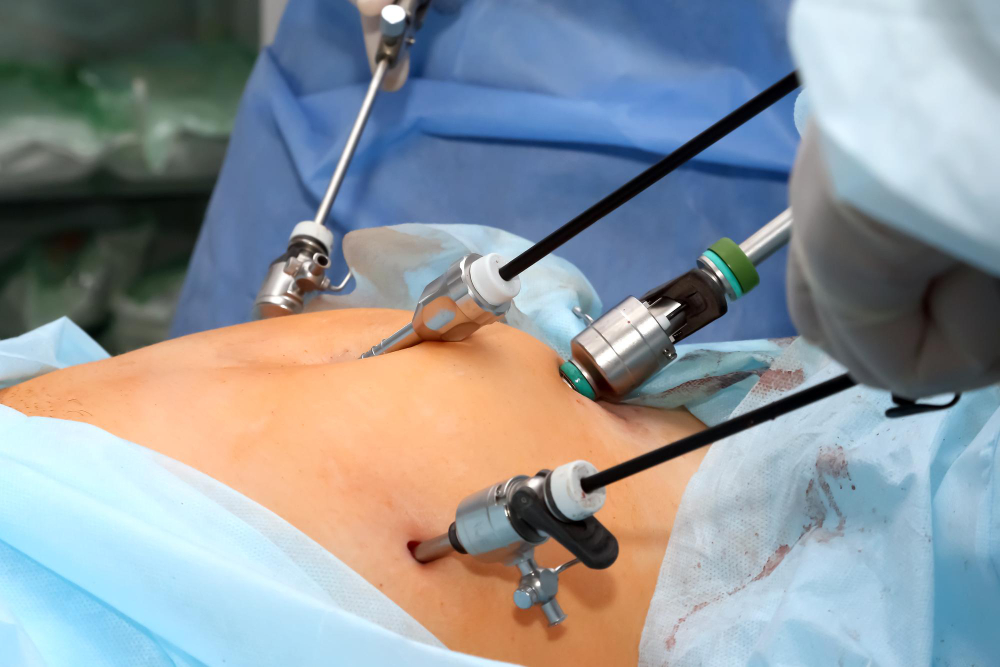
First, the patient receives anesthesia to sleep during the surgery. Next, the doctor makes a few small cuts in the belly. Through these cuts, a thin tube with a camera (laparoscope) and special tools are inserted. The camera lets the doctor see inside the body on a screen. Then, the doctor carefully removes the uterus. Sometimes, the ovaries or fallopian tubes are also removed. Finally, the cuts are closed with stitches or glue. Most women go home the same day or the next day.
Benefits of Laparoscopic Hysterectomy
Laparoscopic hysterectomy offers many advantages over open surgery. Because the cuts are small, healing is usually faster. Also, there is less pain and a lower risk of infection. Many women return to normal activities sooner. According to the Centers for Disease Control and Prevention (CDC), this type of surgery is linked to fewer problems after surgery.
Risks and Possible Complications
Although laparoscopic hysterectomy is safe, every surgery has risks. Some women may have problems during or after the procedure. For instance, there can be bleeding, infection, or injury to nearby organs. Rarely, the doctor may need to switch to open surgery. It is important to talk with your doctor about the risks of laparoscopic hysterectomy before deciding.
Recovery and Aftercare Tips
Recovery after laparoscopic hysterectomy is usually quick. Most women feel better in two to four weeks. However, everyone heals at their own pace. Following your doctor’s advice helps you recover safely. Here are some tips for a smoother recovery:
If you notice heavy bleeding, severe pain, or trouble breathing, seek medical help right away.
Frequently Asked Questions
When to Consult a Specialist
If you have ongoing pelvic pain, heavy periods, or other symptoms, talk to a gynecologist. Sometimes, early treatment can prevent bigger problems. Even if you are unsure, it is wise to ask questions. Your doctor can explain if a laparoscopic hysterectomy is right for you. Remember, every woman’s health needs are different.
Consult a gynecologist at Suprith Diagnostic Centre, Yeshwantpur, Bangalore for personalized advice on laparoscopic hysterectomy.