
What is an Inguinal Hernia?
An inguinal hernia happens when tissue, often part of the intestine, pushes through a weak spot in the lower belly. This area is called the inguinal canal. Inguinal hernia repair is a common surgery to fix this problem. While anyone can get an inguinal hernia, it is more common in men. The bulge may appear when you cough, bend, or lift something heavy. According to the World Health Organization, hernias are a frequent reason for surgery worldwide.
Common Symptoms and Signs
Recognizing inguinal hernia symptoms early can help you get the right treatment. Often, people notice a bulge in the groin area. However, other signs may appear as well. For example, you might feel discomfort or pain, especially when standing or lifting. Sometimes, the pain goes away when you lie down. In rare cases, the hernia can cause severe pain or nausea. If this happens, seek medical help right away.
Causes and Risk Factors
Many factors can lead to an inguinal hernia. For instance, weak muscles in the belly wall may be present at birth. Over time, these muscles can weaken further. In addition, certain activities or conditions can increase your risk. Knowing these risk factors can help you take steps to prevent a hernia.
How Inguinal Hernias are Diagnosed
Doctors use a simple exam to diagnose an inguinal hernia. Usually, they check for a bulge in your groin while you stand or cough. Sometimes, they may order an ultrasound or other imaging tests. These tests help confirm the diagnosis. Early diagnosis is important because it can prevent complications. If you notice any symptoms, see your doctor soon.
Treatment Options for Inguinal Hernia Repair
There are several treatment options for inguinal hernia repair. Not all hernias need surgery right away. However, most hernias do not heal on their own. Your doctor will discuss the best plan for you. For small hernias without symptoms, watchful waiting may be suggested. But if the hernia causes pain or grows larger, surgery is often needed. There are two main types of surgery:
Both methods are safe and effective. Your doctor will help you choose the right option based on your health and needs.
What to Expect During and After Surgery
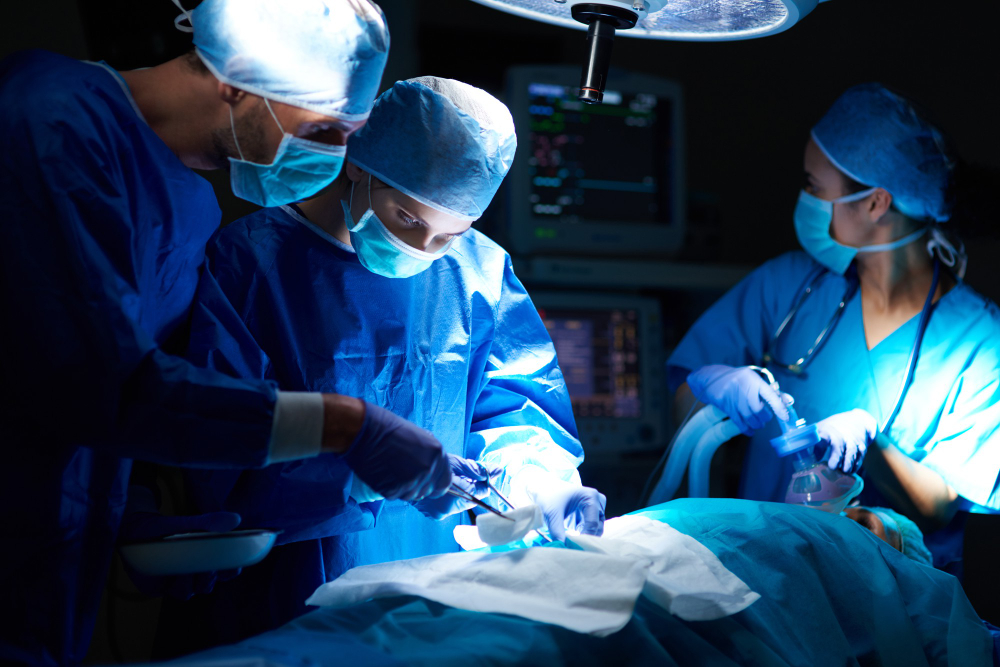
Before surgery, your doctor will explain the steps and answer your questions. You may need to stop eating or drinking a few hours before the procedure. During surgery, you will receive anesthesia to keep you comfortable. The operation usually takes about one hour. After surgery, you will spend some time in recovery. Most people go home the same day. However, some may need to stay overnight for observation. You may feel sore or tired for a few days. Pain medicine and rest can help you recover.
Recovery Tips and Lifestyle Guidance
Recovering from hernia surgery is usually quick. Still, you should follow your doctor’s advice for the best results. For example, avoid heavy lifting or strenuous activity for a few weeks. Walking and light movement can help speed up healing. In addition, keep the surgical area clean and dry. Watch for signs of infection, such as redness or swelling. If you notice any problems, contact your doctor right away. Here are some helpful tips:
Most people return to work and daily life within two to four weeks. However, recovery time can vary based on your health and the type of surgery.
Prevention Strategies
While not all hernias can be prevented, you can lower your risk with healthy habits. For instance, maintain a healthy weight and exercise regularly. If you need to lift something heavy, use your legs instead of your back. Additionally, treat chronic coughs or constipation early. These steps can help protect your belly muscles and reduce your risk of an inguinal hernia.
Always consult a qualified surgeon at NRR Hospital for personalised advice on inguinal hernia repair.