
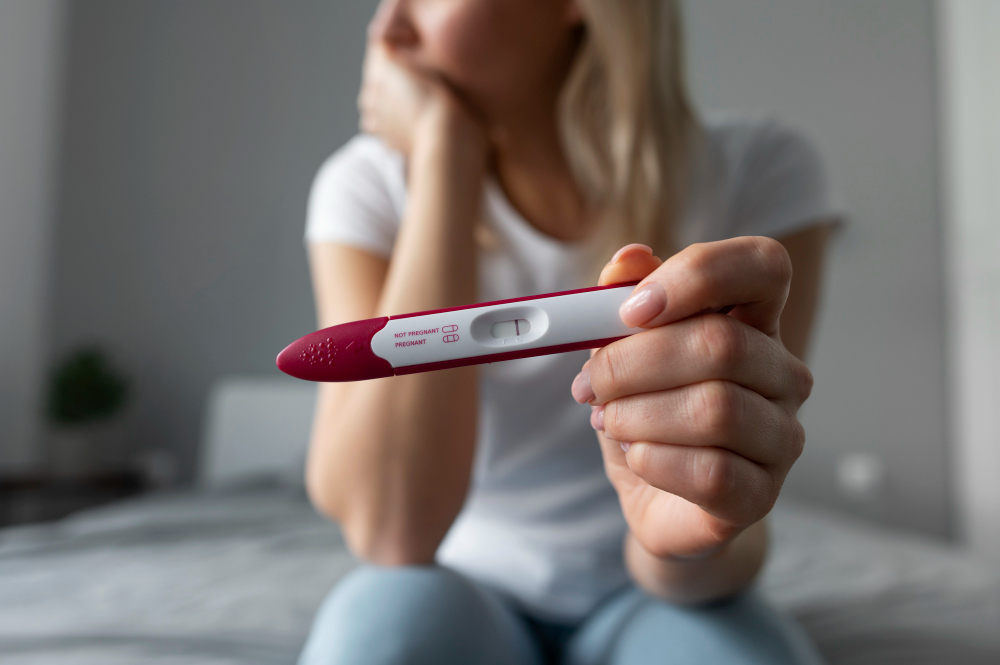
Female infertility is a common health concern that affects many women worldwide. In fact, according to the World Health Organization (WHO), about 10% of women face problems getting pregnant or carrying a pregnancy to term. Because female infertility can be stressful, it is important to understand its causes, symptoms, and treatment options. This blog will help you learn more about female infertility and what steps you can take.
What Is Female Infertility?
Female infertility means a woman is unable to get pregnant after trying for at least one year. Sometimes, women may also have trouble staying pregnant. While infertility can affect anyone, it is more common as women get older. However, with the right support, many women can still have healthy pregnancies.
Common Causes of Female Infertility
There are many reasons why a woman may have trouble getting pregnant. Some causes are easy to treat, while others may need more care. For example, certain health problems can affect the ovaries, fallopian tubes, or uterus. Below are some common causes of female infertility:
Recognizing Symptoms
Often, female infertility does not cause clear symptoms. However, some signs may suggest a problem. For instance, if you notice any of the following, it may be time to talk to a doctor:
Still, some women have no symptoms at all. Therefore, regular check-ups are important.
How Female Infertility Is Diagnosed
Doctors use several tests to find the cause of female infertility. First, they will ask about your health history and menstrual cycle. Next, they may do a physical exam. After that, you may need some of these tests:
Because each woman is different, your doctor will choose the best tests for you.
Treatment Options for Female Infertility
There are many ways to treat female infertility. The right treatment depends on the cause. Sometimes, simple changes can help. Other times, medical care is needed. Here are some common female infertility treatments:
Because every case is unique, your doctor will guide you to the best option.
Lifestyle Tips and Prevention
While not all causes of female infertility can be prevented, some healthy habits may lower your risk. For example, you can:
Additionally, treating health problems early can help protect your fertility.
When to See a Doctor
If you’ve been trying to get pregnant for over a year without success, it’s time to consult with a doctor. However, if you’re over 35, seeking help after six months is advised. If you experience irregular periods, severe pain, or other symptoms, don’t wait. Early intervention can make a significant difference in your fertility journey.
In summary, female infertility is a common yet treatable condition. With the right support and care, many women can achieve their dream of becoming mothers. At NRR Hospital, our expert team is here to provide personalized guidance and treatment options tailored to your needs. Consult with us for specialized care in fertility and reproductive health.