Introduction
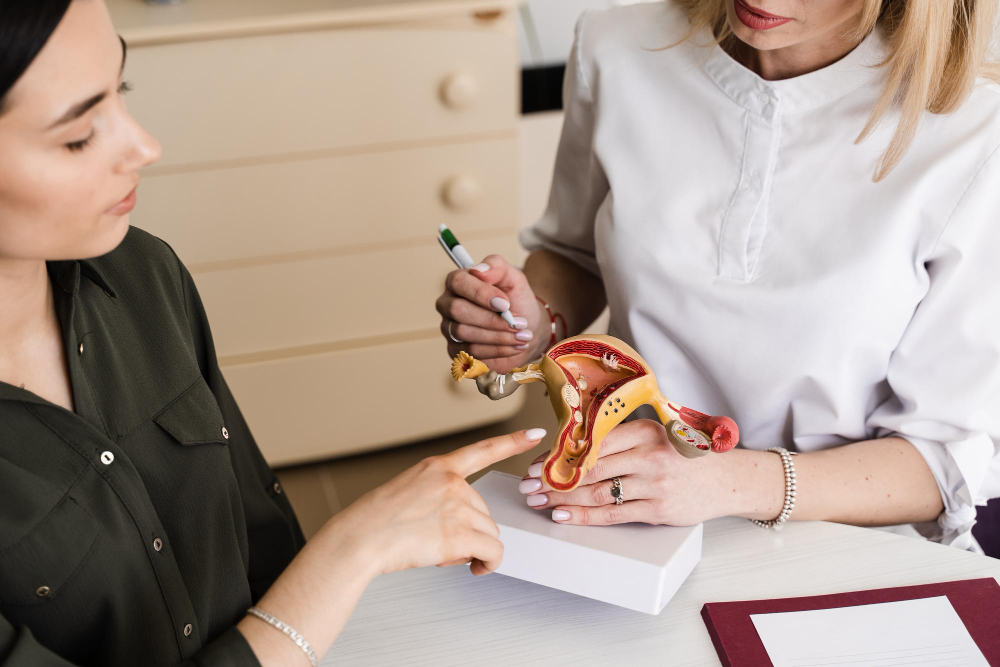
Ovarian cysts are fluid-filled sacs that form on or inside the ovaries. These cysts are common in women of all ages. However, many people wonder how ovarian cysts affect your reproductive health. While most cysts are harmless, some can cause problems with fertility, periods, or overall well-being. Understanding the symptoms, causes, and treatment for ovarian cysts can help you take control of your reproductive health.
What Are Ovarian Cysts?
Ovarian cysts are small sacs filled with fluid. They develop on one or both ovaries. Most cysts form during the menstrual cycle and go away on their own. For example, functional cysts are the most common type and usually do not cause harm. However, some cysts can grow larger or cause pain. Rarely, they may lead to more serious health issues.
Common Symptoms of Ovarian Cysts
Many ovarian cysts do not cause any symptoms. But sometimes, you may notice signs that something is wrong. For instance, you might feel pain or pressure in your lower belly. Other symptoms can include:
If a cyst bursts or twists, you may feel sudden, severe pain. In such cases, seek medical help right away.
Causes and Risk Factors
Ovarian cysts can form for many reasons. Most often, they are linked to the normal menstrual cycle. However, some factors can increase your risk. These include:
For some women, genetics may also play a role. But not all cysts are preventable.
How Ovarian Cysts Affect Fertility and Menstrual Health
Many women worry about ovarian cysts and fertility. Most simple cysts do not affect your ability to get pregnant. However, some types, like those caused by polycystic ovary syndrome (PCOS) or endometriosis, can make it harder to conceive. In addition, large or multiple cysts may disrupt normal ovary function. This can lead to irregular periods or missed cycles. Sometimes, cysts can cause pain during ovulation or menstruation. If you are trying to get pregnant and have concerns, talk to your doctor.
Diagnosis: How Ovarian Cysts Are Detected
Doctors use several methods to find ovarian cysts. First, they may do a pelvic exam to feel for swelling. Next, an ultrasound can show the size and type of cyst. Blood tests may also help rule out other problems. In some cases, doctors use MRI or CT scans for a closer look. Early detection helps guide the best treatment for ovarian cysts.
Treatment Options for Ovarian Cysts
Treatment for ovarian cysts depends on the type, size, and symptoms. Many cysts go away without treatment. However, your doctor may suggest:
Most treatments are safe and effective. But always discuss the risks and benefits with your healthcare provider.
Lifestyle Tips and Prevention
While you cannot prevent all ovarian cysts, some healthy habits may help. For example, regular exercise and a balanced diet support hormone balance. In addition, managing stress can help your body function better. Here are some tips:
Early action can help prevent complications from ovarian cysts.
Conclusion
Ovarian cysts are common and often harmless. However, they can sometimes affect your reproductive health, fertility, and menstrual cycle. If you notice symptoms or have concerns, consult a gynecologist at NRR Hospital for personalized advice on ovarian cysts and reproductive health.