
Introduction
Type 2 Diabetes is a common health condition that affects how your body uses sugar. Many people wonder if reversing Type 2 Diabetes is possible. While it is a lifelong condition, some people can manage or even reverse it with the right steps. In this blog, we will explore symptoms, causes, diagnosis, and proven ways to help reverse Type 2 Diabetes naturally.
What is Type 2 Diabetes?
Type 2 Diabetes happens when your body cannot use insulin well. Insulin is a hormone that helps sugar enter your cells for energy. When this process does not work, sugar builds up in your blood. Over time, high blood sugar can harm your heart, kidneys, eyes, and nerves. Unlike Type 1 Diabetes, your body still makes some insulin, but it does not work as it should.
Can Type 2 Diabetes Be Reversed?
Many people ask if Type 2 Diabetes can be reversed. In some cases, yes. With healthy changes, some people can lower their blood sugar to normal levels. This is called diabetes remission. However, it does not mean the disease is gone forever. You need to keep up healthy habits to stay in remission. According to the CDC, weight loss and lifestyle changes are key factors in reversing Type 2 Diabetes.
Symptoms and Early Warning Signs
Often, Type 2 Diabetes develops slowly. You may not notice symptoms at first. Still, early signs can include:
If you notice these symptoms, talk to your doctor. Early action can help prevent problems.
Causes and Risk Factors
Type 2 Diabetes has several causes. Most often, it is linked to:
However, not everyone with these risks will get diabetes. But, the more risk factors you have, the higher your chances.
Diagnosis and Monitoring
Doctors use simple blood tests to check for Type 2 Diabetes. The most common tests are:
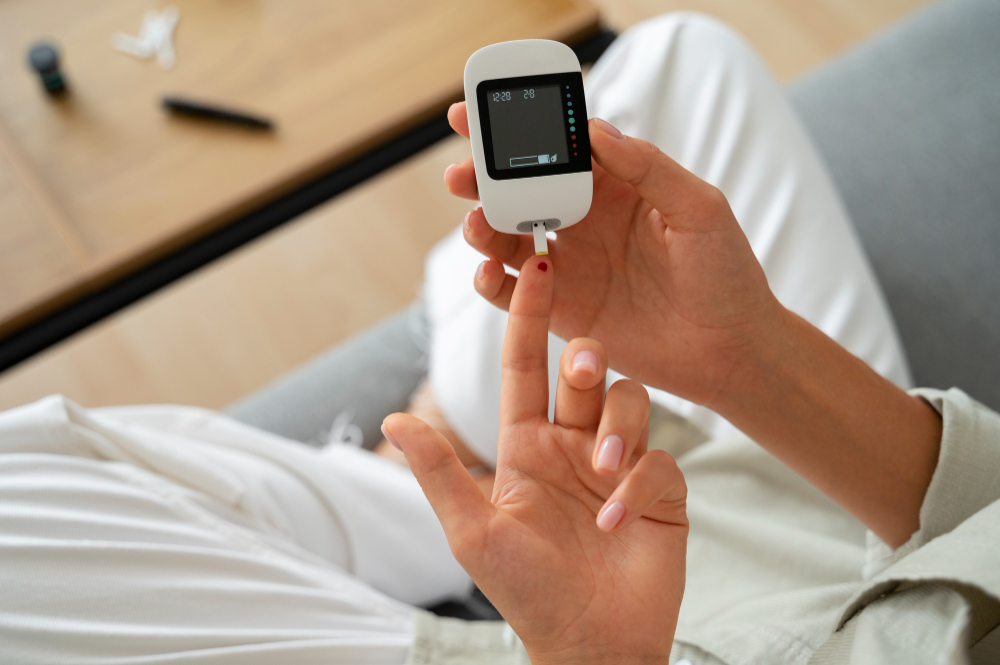
Once diagnosed, regular monitoring is important. This helps you and your doctor track your progress. It also helps you spot any changes early.
Evidence-Based Strategies for Reversing Type 2 Diabetes
Now, let’s look at proven ways to reverse Type 2 Diabetes. Many people ask, “How to reverse Type 2 Diabetes naturally?” Here are key steps:
Diet and Nutrition
First, healthy eating is vital. Choose foods that are low in sugar and fat. Instead, eat more:
Moreover, limit sugary drinks and snacks. Portion control also helps. A diet to reverse diabetes should focus on balanced meals. According to the American Diabetes Association, a healthy diet can lower blood sugar and help with weight loss.
Physical Activity
Next, regular exercise is important. Aim for at least 30 minutes of activity most days. Walking, swimming, or cycling are good choices. Exercise helps your body use insulin better. It also helps you lose weight and feel more energetic.
Weight Management
For many people, losing even a small amount of weight can make a big difference. In fact, losing 5-10% of your body weight may help lower blood sugar. Weight loss can also reduce the need for medication. This is one of the most effective lifestyle changes for diabetes.
Medication and Medical Supervision
Sometimes, diet and exercise are not enough. Your doctor may prescribe medicine to help control blood sugar. Even so, you should never stop or change your medicine without talking to your doctor. Regular check-ups are important to track your progress and adjust your plan as needed.
Lifestyle Tips for Long-Term Success
Staying healthy takes effort every day. Here are some tips for long-term success:
Remember, small steps add up over time. Celebrate your progress, even if it is slow.
Prevention and Relapse Avoidance
Even after reaching remission, it is important to keep healthy habits. Otherwise, blood sugar can rise again. To prevent relapse:
Prevention is always better than cure. With the right steps, you can lower your risk of problems and enjoy a healthier life.
Consult a healthcare professional at NRR Hospital for personalized advice on reversing Type 2 Diabetes.