
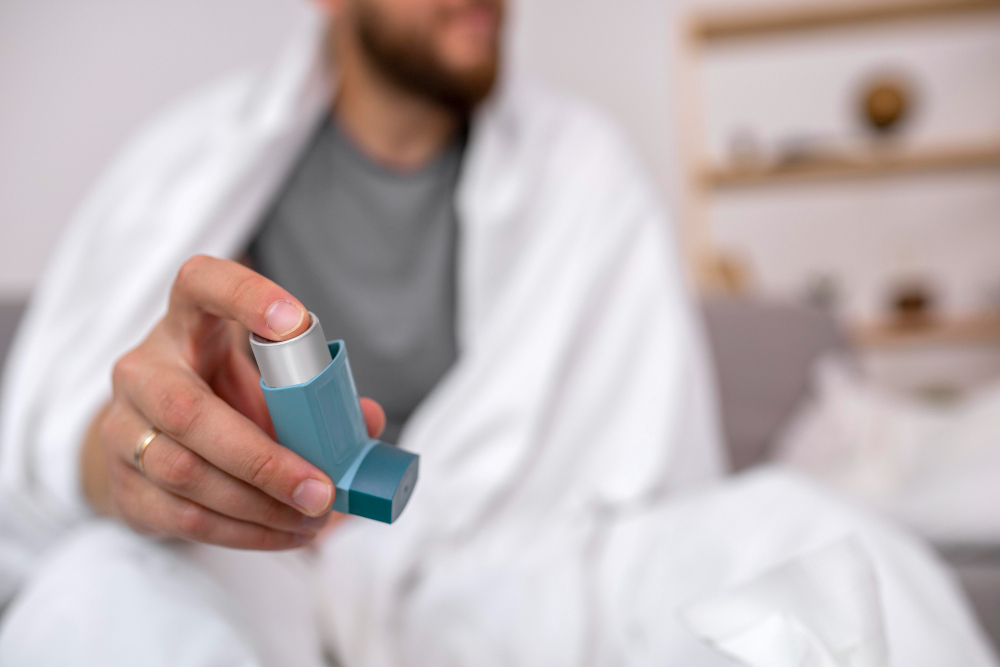
What is Asthma?
Asthma is a long-term lung condition that makes it hard to breathe. It causes the airways to swell and narrow. Because of this, people with asthma may cough, wheeze, or feel short of breath. Asthma can affect both children and adults. In many urban areas, asthma is becoming more common. Although asthma cannot be cured, it can be managed with the right care. Early asthma diagnosis and treatment help people live active lives.
Common Symptoms of Asthma
Asthma symptoms can vary from person to person. Sometimes, symptoms are mild. Other times, they can be severe. Knowing the signs helps you seek help early. Common asthma symptoms include:
Sometimes, symptoms get worse quickly. This is called an asthma attack. If you notice these signs, seek medical help right away.
Causes and Risk Factors
Many things can cause or trigger asthma. While the exact cause is not always known, some factors increase the risk. For example, family history plays a big role. If your parents have asthma, you are more likely to have it too. Other risk factors include:
Additionally, certain triggers can make asthma symptoms worse. These include cold air, exercise, stress, or strong smells. Knowing your triggers helps you avoid asthma attacks.
How Asthma is Diagnosed
Doctors use several steps to diagnose asthma. First, they ask about your symptoms and family history. Next, they may do a physical exam. To check how your lungs work, doctors often use breathing tests. These tests measure how much air you can breathe in and out. Common tests include:
Sometimes, doctors may order allergy tests. These help find out if allergies are causing your asthma. Early asthma diagnosis is important for better control and treatment.
Treatment Options and Medications
Asthma treatment aims to control symptoms and prevent attacks. Most people use two types of medicines. First, quick-relief inhalers help during an asthma attack. Second, long-term control medicines reduce swelling in the airways. Common asthma medications include:
Doctors may adjust your treatment plan based on your symptoms. Always follow your doctor’s advice for asthma treatment. Never stop or change medicines without talking to your healthcare provider.
Lifestyle Tips for Managing Asthma
Good asthma management helps you stay healthy and active. There are many simple steps you can take at home. For example, keep your home clean and free of dust. In addition, avoid smoking or being around smoke. Here are more asthma management tips:
With these steps, you can reduce asthma symptoms and enjoy daily life.
Prevention and Reducing Triggers
While you cannot always prevent asthma, you can lower your risk of attacks. First, learn what triggers your symptoms. Then, take steps to avoid them. For example, stay indoors on days with high air pollution. Additionally, use air filters at home to reduce dust and pollen. Other ways to prevent asthma attacks include:
By following these tips, you can help prevent asthma attacks and stay healthy.
In summary, asthma is a common but manageable condition. With the right care, most people can control their symptoms. Consult a healthcare professional at Suprith Diagnostic Centre, Yeshwantpur, Bangalore for personalized asthma management advice.